Architectural Characteristics
Cabin-style homes, often associated with rustic and cozy retreats, have distinct architectural characteristics that reflect a connection to nature and a desire for simplicity. Here are key features of cabin-style architecture:
Wooden Construction:
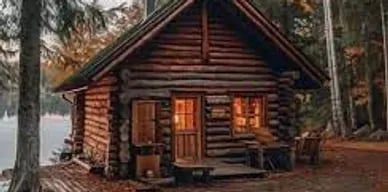
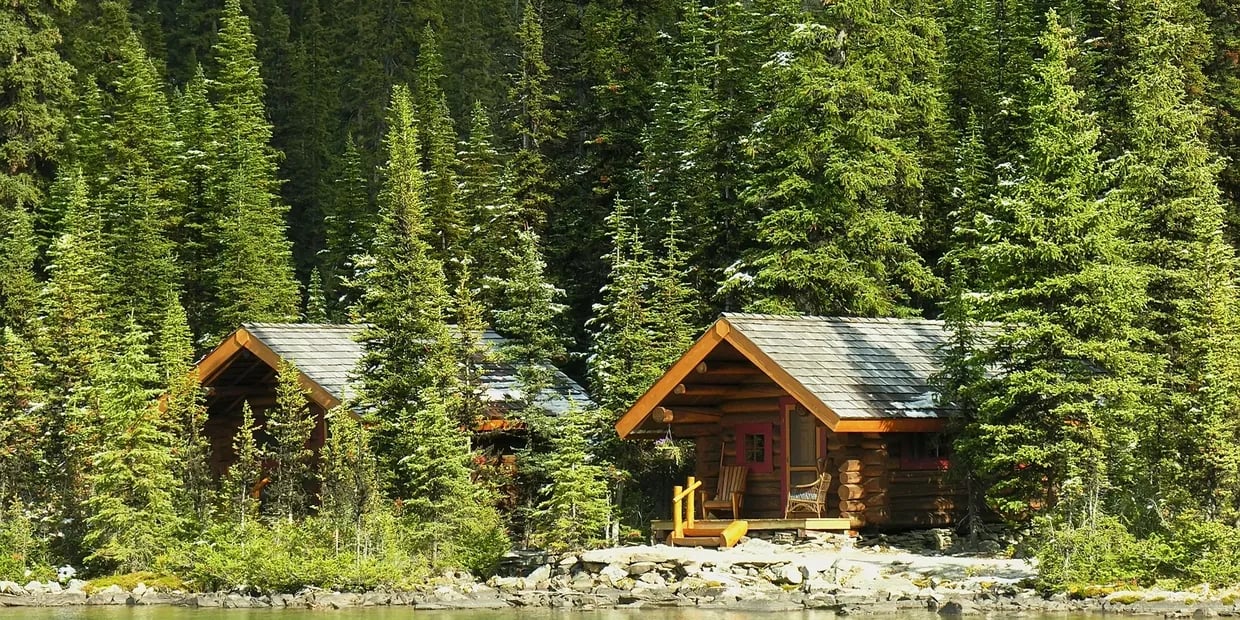
Cabins are typically constructed with wood, showcasing a warm and natural aesthetic. Log cabins, in particular, may use horizontally stacked logs for both exterior and interior elements.
Simple Design:
Cabins embrace simplicity in design, often featuring straightforward floor plans with minimal ornamentation. The focus is on functionality and comfort.
Gabled Roofs:
Gabled roofs are common in cabin architecture. The steep pitch of the roof helps shed snow and rain, and it contributes to the traditional and cozy appearance.
Large Windows:
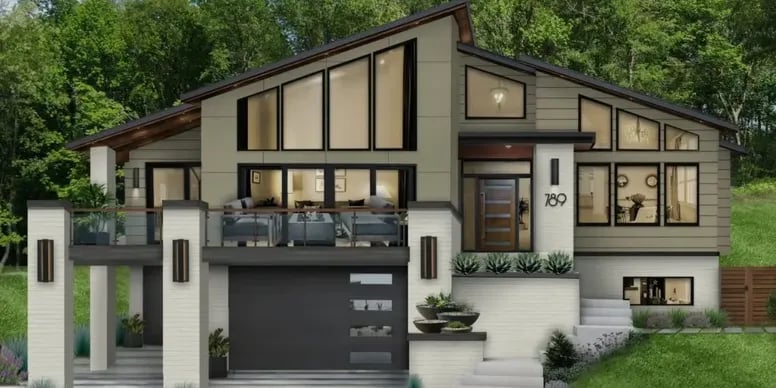
Cabins often have large windows that provide abundant natural light and offer views of the surrounding landscape. Picture windows or sliding glass doors are common.
Outdoor Living Spaces:
Cabins frequently include outdoor living spaces, such as decks or porches, allowing residents to enjoy the natural surroundings and fresh air.
Fireplaces or Wood Stoves:
Fireplaces or wood-burning stoves are common features in cabins, providing both warmth and a focal point for gathering.
Exposed Beams and Rafters:
Interior spaces in cabins often showcase exposed wooden beams and rafters, emphasizing the construction materials and contributing to a rustic ambiance.
Cozy Interiors:
Cabin interiors are designed for comfort and a cozy atmosphere. Warm color palettes, natural textiles, and comfortable furnishings are typical.
Open Floor Plans:
Many cabins feature open floor plans, creating a sense of spaciousness in a relatively small footprint. This layout promotes easy movement and social interaction.
Loft Spaces:
Some cabins may include loft spaces, providing additional sleeping or storage areas. Lofts contribute to the efficient use of vertical space.
Natural Materials:
In addition to wood, cabins often incorporate other natural materials such as stone for fireplaces or countertops, emphasizing a harmonious connection with the environment.
Proximity to Nature:
Cabin-style homes are often situated in scenic or secluded locations, emphasizing a close relationship with nature. Designs may include features that maximize views or blend with the landscape.
Pitched Foundations:
The foundations of cabins are often built on a slope, allowing for a stepped or terraced design that complements the natural topography.
Rustic Décor:
Cabin interiors may feature rustic décor, including items like animal hides, antler decorations, and handmade furnishings that enhance the woodland or mountain ambiance.
Efficient Heating and Insulation:
Given their often remote locations, cabins prioritize efficient heating and insulation to ensure comfort in all seasons.
Cabin-style architecture embodies a sense of retreat and embraces the beauty of natural surroundings, creating a tranquil and inviting living space.