Interior Design Differences
-
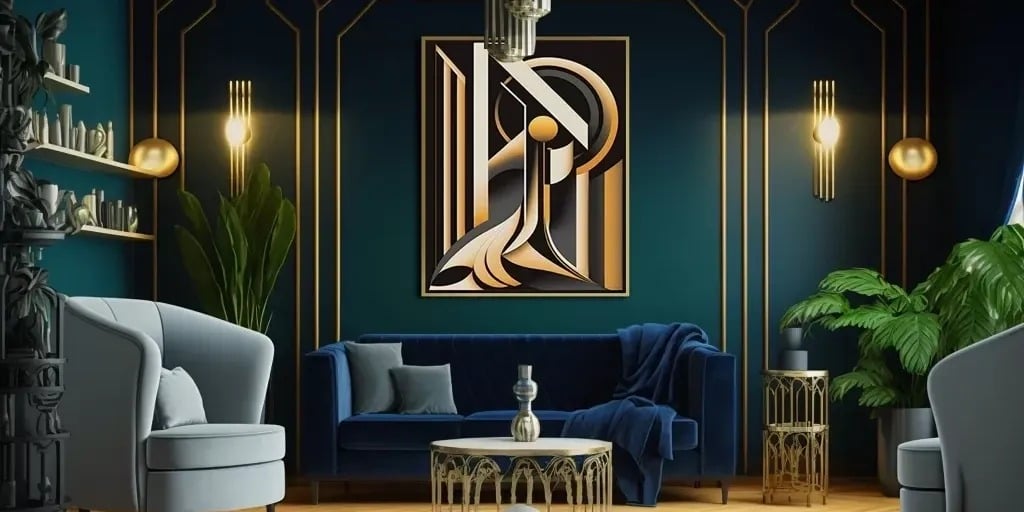
Art (Deco, Modern, Nouveau)
Learn MoreArt Deco, prevalent in the 1920s and 1930s, is known for its bold geometric shapes, lavish ornamentation, and opulent aesthetic, reflecting the era's modernity and glamour. Art Moderne, emerging in the 1930s and 1940s, embraces streamlined forms, industrial materials, and a focus on functionality, influenced by the machine age and futurism. In contrast, Art Nouveau, flourishing in the late 19th and early 20th centuries, celebrates organic motifs, flowing lines, and a sense of natural elegance.
-
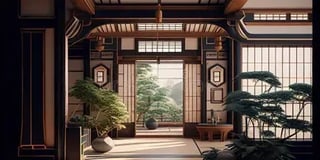
Asian
Learn MoreAsian design encompasses a rich tapestry of cultures and aesthetics. Japanese design emphasizes simplicity, minimalism, and harmony with nature through clean lines and natural materials. Chinese design embraces symbolism, balance, and opulence with intricate ornamentation and vibrant colors. Korean design blends simplicity with elegance, incorporating natural elements, soft curves, and functionality. Each tradition reflects its cultural heritage and artistic sensibilities.
-
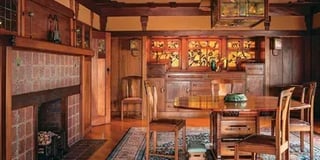
Arts and Crafts
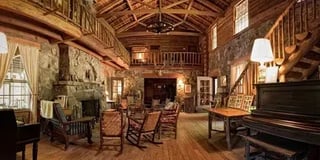
Learn MoreArts and Crafts design, originating in the late 19th century, champions craftsmanship, simplicity, and a return to traditional techniques. It emphasizes handcrafted furniture, natural materials like wood and stone, and intricate detailing inspired by nature. In contrast to ornate Victorian styles, it prioritizes function over ornamentation with clean lines and sturdy construction. The movement celebrates the beauty of everyday objects and continues to inspire designers seeking authenticity and integrity in their creations.
-
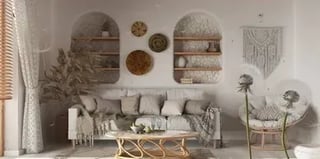
Bohemian/Boho
Learn MoreBohemian design, often referred to as Boho style, embodies a free-spirited and eclectic aesthetic inspired by global cultures and artistic movements. It features vibrant colors, layered textures, and a mix of patterns that create warm and expressive interiors. Vintage pieces, handcrafted elements, and abundant plants are common, often paired with macramé and ethnic accents. With its relaxed and unconventional vibe, Boho design celebrates creativity, individuality, and the beauty of imperfection.
-
California Chic
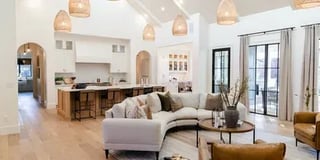
Learn MoreCalifornia chic design captures the essence of laid-back luxury and coastal living. Inspired by the relaxed vibe of California’s beach towns and urban landscapes, this style blends natural materials, neutral palettes, and organic textures to create serene spaces. Clean lines, abundant natural light, and open floor plans emphasize spaciousness, while indoor-outdoor living is highlighted through large windows and outdoor lounging areas. The result is a casual elegance that reflects California’s diverse landscapes with a modern yet timeless aesthetic.
-
Contemporary
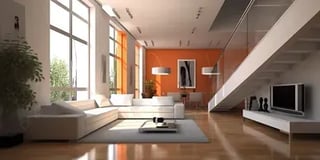
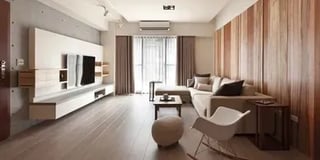
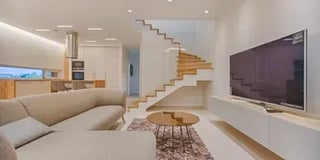
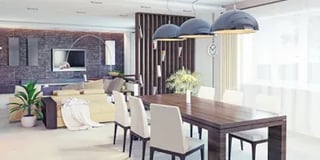
Learn MoreContemporary design reflects the style of the present moment, blending sleek lines, minimalist aesthetics, and modern materials. It emphasizes uncluttered spaces and functionality, often using neutral color palettes with bold accents for visual interest. Open floor plans and abundant natural light create airy, spacious interiors. Contemporary design may also incorporate advanced technology and sustainable elements, offering a clean and sophisticated environment suited for modern living.
-
Country
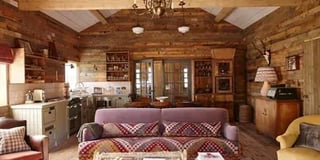
Learn MoreCountry design exudes warmth, charm, and a strong connection to nature. Inspired by rural landscapes and traditional craftsmanship, it features rustic elements such as reclaimed wood, vintage furnishings, and natural textures. Soft, muted color palettes and floral patterns create a cozy and inviting atmosphere. Common elements include farmhouse-style kitchens, wide-plank floors, and exposed beams, all emphasizing comfort, simplicity, and the beauty of relaxed country living.
-
Eclectic
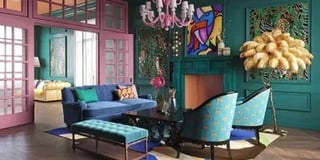
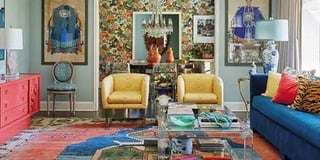
Learn MoreEclectic design celebrates individuality by blending elements from different styles, eras, and cultures. It combines varied furniture, artwork, and accessories to create visually engaging interiors. Bold colors, layered textures, and unexpected patterns add personality and energy. Rather than following strict design rules, eclectic spaces reflect the unique tastes and stories of their owners, resulting in expressive and highly personal environments.
-
English Country
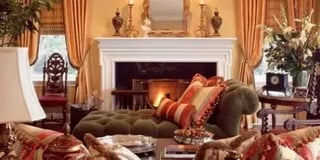
Learn MoreEnglish country design reflects the cozy charm and timeless elegance of rural England. It features warm color palettes, floral prints, and rich textiles that create inviting and comfortable interiors. Antique furniture, plush upholstery, and layered fabrics add warmth, while exposed beams, stone fireplaces, and vintage accents bring a sense of history and character. The style blends traditional details with relaxed sophistication inspired by the English countryside.
-
Farm / Modern Farmhouse
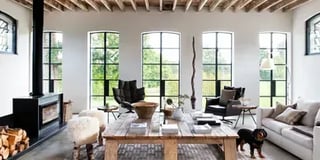
Learn MoreFarmhouse design highlights rustic charm with vintage accents, reclaimed wood, and cozy textiles that create a warm and nostalgic atmosphere. Modern farmhouse design reinterprets this traditional style with cleaner lines, neutral color palettes, and subtle industrial touches. While classic farmhouse feels more traditional and rustic, modern farmhouse blends that comfort with contemporary finishes for a balanced and inviting look.
-
French Country
Learn MoreFrench country design captures the romance and elegance of rural France by combining rustic charm with refined details. Warm color palettes, distressed wood finishes, and ornate accents create interiors that feel both cozy and sophisticated. Antique furnishings, floral textiles, and natural materials enhance a relaxed yet elegant atmosphere, evoking the timeless beauty of provincial French living.
-
Glam
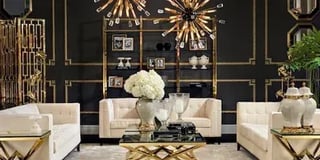
Learn MoreGlam design embodies luxury and sophistication, bringing dramatic elegance into interiors. Rich fabrics, bold colors, and reflective surfaces like mirrors and metallic finishes create visual impact. Crystal lighting, plush seating, and layered textures enhance indulgence and glamour. Inspired by Hollywood’s golden era, glam interiors achieve a polished, upscale, and stylish atmosphere.
-
Industrial
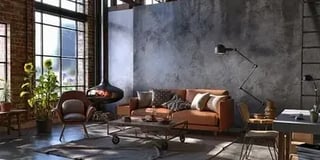
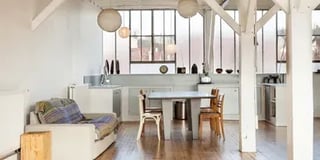
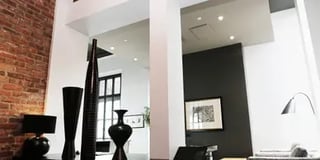
Learn MoreIndustrial design highlights raw materials and utilitarian aesthetics inspired by factories and warehouses. Exposed brick, metal beams, concrete floors, and reclaimed wood are key features. Interiors often use neutral palettes, open layouts, and a mix of vintage and modern furnishings, resulting in bold, urban spaces that emphasize authenticity and functionality.
-
Maximalist / Modern Maximalist
Learn MoreMaximalist design celebrates bold self-expression with vibrant colors, layered textures, and an abundance of patterns and decorative elements. Modern maximalism refines this approach by combining rich visual detail with structured layouts and contemporary forms. The style encourages creativity and individuality while keeping interiors energetic, dynamic, and cohesive.
-
Mediterranean
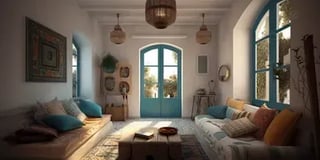
Learn MoreMediterranean design reflects the warmth and relaxed lifestyle of coastal Southern Europe. It features natural materials like stone, terracotta, and wrought iron, paired with earthy color palettes. Architectural elements such as arched doorways, beamed ceilings, and tiled floors add charm, while airy interiors emphasize indoor-outdoor living. The style exudes timeless warmth, comfort, and tranquility.
-
Mid-Century / Mid-Century Modern
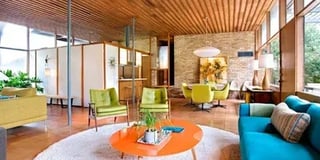
Learn MoreMid-century design reflects the aesthetics of the mid-20th century, featuring clean lines, organic shapes, and functional simplicity. Mid-century modern specifically highlights streamlined furniture, innovative materials, and iconic pieces by designers like Eames and Saarinen. Both emphasize minimal ornamentation, natural forms, and timeless design principles, creating spaces that remain stylish and functional.
-
Minimalist / Organic Minimalist
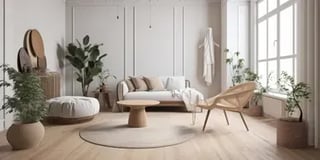
Learn MoreMinimalist design emphasizes simplicity, clean lines, and uncluttered spaces to create calm, orderly environments. Organic minimalism introduces natural materials, warm textures, and gentle curves, softening the space while maintaining serenity. Together, they produce interiors that feel balanced, peaceful, and connected to nature.
-
Modern
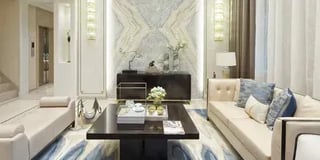
Learn MoreModern design emphasizes simplicity, functionality, and clean architectural lines. Neutral color palettes, geometric shapes, and open layouts create uncluttered, spacious interiors. Materials such as glass, steel, and concrete enhance the contemporary aesthetic, resulting in a timeless style that balances efficiency with elegance.
-
Moroccan
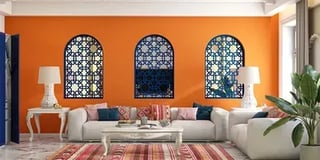
Learn MoreMoroccan design is characterized by vibrant colors, intricate patterns, and richly layered textures inspired by North African culture. Decorative tiles, carved wood, ornate textiles, and lantern-style lighting create visually striking interiors. Bold hues and geometric motifs bring energy and warmth, making spaces feel exotic, inviting, and full of character.
-
Regency / Hollywood Regency
Learn MoreRegency design, originating in early 19th century England, reflects classical elegance with symmetrical layouts and refined details. Hollywood Regency reinterprets these elements with bold colors, glamorous finishes, and theatrical flair inspired by the golden age of cinema. The style combines traditional sophistication with dramatic, modern glamour.
-
Rustic
Learn MoreRustic design celebrates natural beauty and handcrafted elements. Wood, stone, leather, and other organic materials create warm, textured interiors. Distressed finishes, exposed beams, and vintage furnishings add character and authenticity. The style emphasizes comfort, simplicity, and a strong connection to nature.
-
Scandinavian
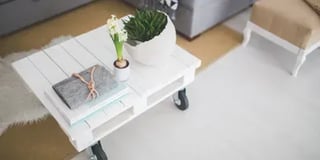
Learn MoreScandinavian design emphasizes simplicity, functionality, and comfort. Light color palettes, natural wood tones, and minimal decoration create bright, airy spaces. Clean-lined furniture and cozy textiles reflect Nordic principles of balance and well-being. The style combines practicality with warmth and understated beauty.
-
Shabby Chic
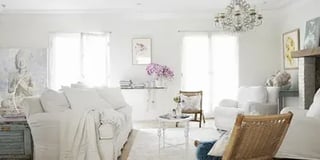
Learn MoreShabby chic design blends vintage charm with soft, romantic elements. Distressed furniture, pastel color palettes, floral patterns, and delicate fabrics create an inviting and nostalgic atmosphere. Antique accessories and worn finishes add character, celebrating beauty in imperfection.
-
Southwestern
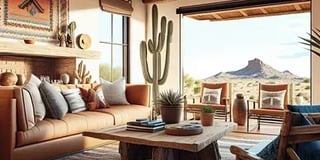
Learn MoreSouthwestern design draws inspiration from the landscapes and cultures of the American Southwest. Earthy tones, adobe textures, and handcrafted textiles define the style. Wooden beams, desert-inspired colors, and decorative pottery create a warm, grounded aesthetic that reflects regional heritage.
-
Traditional
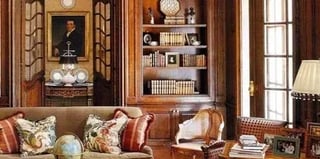
Learn MoreTraditional design draws inspiration from classic European decor and historical architectural styles. Rich wood furniture, elegant fabrics, and detailed moldings create interiors that feel refined and timeless. Symmetry, layered textures, and soft color palettes contribute to a balanced and sophisticated aesthetic.
-
Transitional
Learn MoreTransitional design blends traditional elegance with contemporary simplicity. Clean lines, neutral palettes, and a mix of classic and modern furnishings create a balanced, versatile aesthetic. The style emphasizes comfort and subtle sophistication while allowing flexibility in design elements.
-
Tropical
Learn MoreTropical design captures the relaxed atmosphere of island living. Natural materials like rattan, bamboo, and wood are paired with vibrant colors and lush greenery. Open layouts, breezy fabrics, and botanical patterns create interiors that feel refreshing, airy, and closely connected to nature.
-
Queen Anne
Learn MoreQueen Anne design is recognized for its ornate detailing and elegant craftsmanship. Curved lines, decorative carvings, and luxurious fabrics define the style. Rich textures and refined furnishings create interiors that feel sophisticated and historically inspired.
-
Victorian
Learn MoreVictorian design reflects the grandeur and ornamentation of the 19th century. Rich colors, elaborate furniture, decorative moldings, and patterned textiles create a luxurious and dramatic atmosphere. Intricate details and layered decor evoke a sense of historic elegance.
-
1970's Revival
Learn More1970s revival design embraces the bold and playful spirit of the disco era. Earthy tones, geometric patterns, shag textures, and retro furniture define the aesthetic. Curved forms, statement lighting, and nostalgic accents create interiors that celebrate vintage style with a modern twist.